
I’ve been suing people over cantaloupe for years. I’m not happy about it. But here we are — again.
Let me walk you through what three decades of depositions, hospital visits, and funerals have taught me about this fruit.
The outbreaks you should know
In 2011, Jensen Farms in Holly, Colorado, shipped melons that killed 33 Americans and sickened 147 across 28 states. Nearly every single person who got sick was hospitalized. Pregnant women. Newborns. A miscarriage. All from a packinghouse where FDA investigators found pooling water on the floor, old equipment that couldn’t be properly cleaned, and truck tires — fresh from a neighboring cattle operation — rolling right through the facility. Thirty-three people died. And the owners of Jensen Farms got probation.
In 2012, Chamberlain Farms sent out cantaloupes that sickened 261 people across 24 states and killed three.
In 2023, Malichita and Rudy brand cantaloupes from Mexico sickened 595 people in the U.S. and Canada — 407 Americans in 44 states, 190 Canadians. Six Americans died. Two more Canadians. Eight people total who went to the grocery store, bought a piece of fruit, and didn’t come home. A quarter of the American patients were children under five. Nearly half were seniors over 65.
And just this year — 2026 — cantaloupe imported from Guatemala by Ayco Farms Inc. sickened at least 70 people across 25 states. The CDC didn’t even bother warning the public while the outbreak was active.
This is not bad luck. This is a pattern.
Why this keeps happening
Here’s what the food industry doesn’t want you to think too hard about: cantaloupe is almost perfectly designed to make people sick.

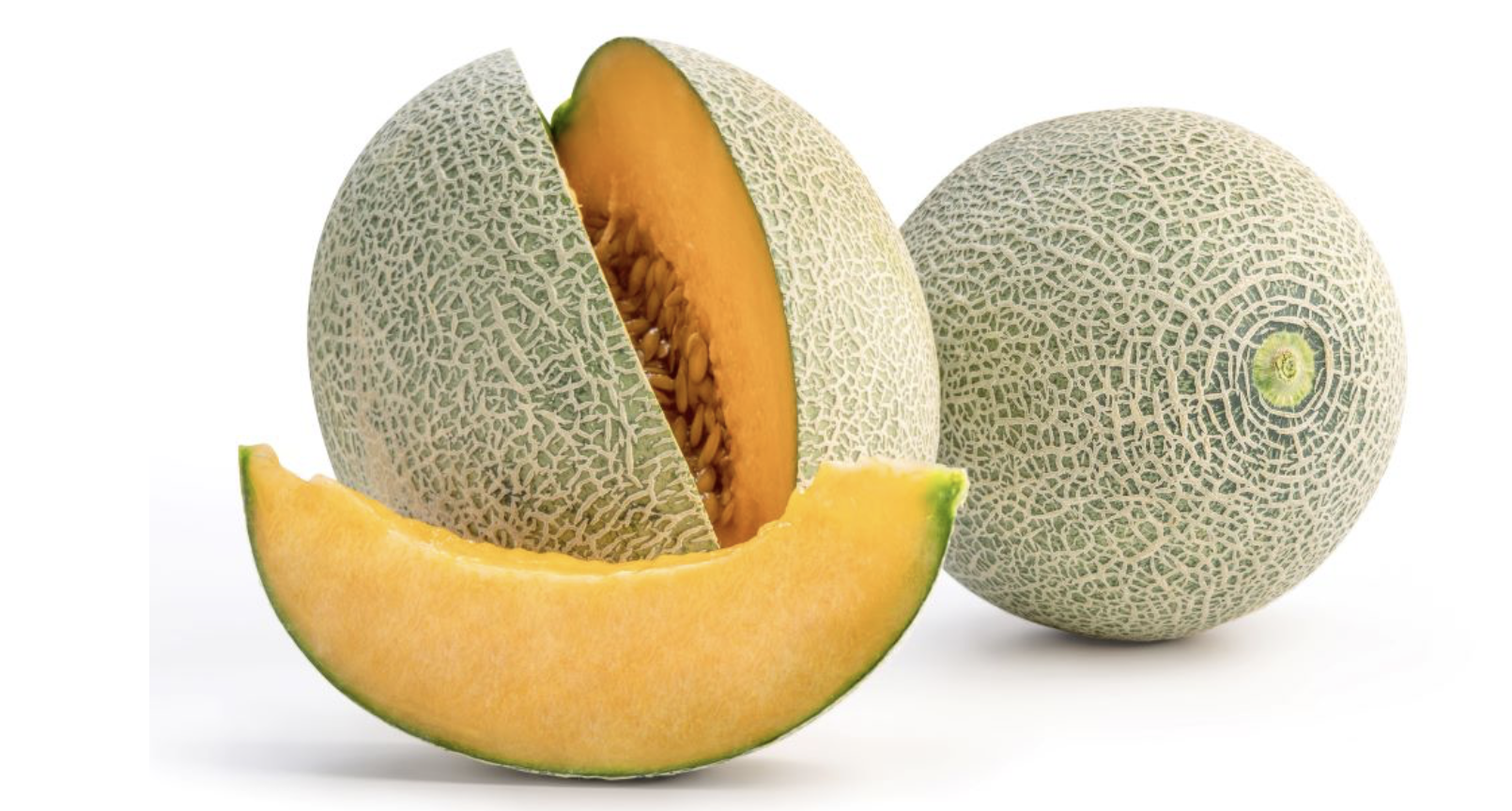
The netted rind acts like a bacterial sponge — it traps pathogens and protects them from sanitizers. Unlike most produce, bacteria doesn’t just sit on the surface of a cantaloupe after harvest — it grows there. The fruit sits on the ground during production, soaking up whatever is in the soil or irrigation water. When it “slips” from the vine at harvest, the stem scar becomes an open door for pathogens to travel directly into the flesh. And when you cut it open — transferring whatever is on that rough rind to your knife, your cutting board, and into the edible part — you’ve done the contamination’s work for it.
Then you eat it raw. No cooking. No kill step. Nothing standing between the bacteria and you.
The hospitalization rate in the 2023 outbreak was 44%. That’s equivalent to Listeria — a pathogen we treat like a public health emergency. Salmonella in cantaloupe is hospitalizing people at Listeria rates, and we keep acting surprised.
What I want you to understand
I’ve sat across from enough grieving families to tell you that none of this is abstract. The 33 people who died in 2011 had names. They had grandchildren who visited on Sundays. They had doctors who told their families there was nothing more to do.
The companies that grew and packed and shipped those melons knew — or should have known — that their facilities were not safe. The regulatory system that was supposed to catch this had gaps you could drive a truck through. And in some cases, literally did.
I’ve been saying for years that cantaloupe is a high-risk food that deserves serious, sustained attention from the FDA, from growers, and from importers — especially those bringing melons in from Mexico and Central America, where some of the worst outbreaks have been traced.
We have the science. We have the outbreak history. We have the body count. What we don’t seem to have is the political will to treat this fruit with the seriousness it demands.
Until the boardrooms decide that a sick child is more expensive than a clean packing facility — and they will, eventually, because I will keep showing them the invoices — the cantaloupe outbreaks will continue.
I’ve been doing this for over 30 years. I’d love nothing more than to stop.

