
“Drops of God” is an acclaimed manga-based soap opera mini-series about wine, although I never would have heard about it had my friend not posted an image of the two heroes strolling through his vineyard on social media. Then another winemaker friend posted a clip of a scene where a Georgian sommelier poured his biodynamic wine into the heroine’s glass with bombastic flair. My curiosity was piqued.
I skipped the first season entirely, eager to dive into the Georgia portion of the story in which the two protagonists quest for the origins of the most celestial wine ever bottled, an unlabeled inheritance from their father. I expected their trail to lead them to Kakheti, Georgia’s largest and most renowned wine region with a landscape as dramatic as the plot. Instead, the Japanese writers and French producers sent them to Shida Kartli, one of the country’s most overlooked regions and my favorite.
The cradle of wine
Georgians call their country Sakartvelo – the land of the Kartvelians – and Kartli is the heart of Georgia. It is divided into Shida (inner) and Kvemo (lower), which is where archeologists discovered the oldest evidence of winemaking in the world, so when you hear about the “cradle of wine,” they’re talking about Kartli. This is also where I first discovered the power, the glory and the agony of Georgian wine.
I had only been in the country a few days, pie-eyed, open-mouthed and alcohol-fuzzed, when new local friends whisked me away over bumpy roads to Garikula, a pastoral hamlet west of Tbilisi. I had come to the country with a vague agenda to document folk music but I soon lost all sense of focus.
Chiko, our driver, had dumped us at the family he had planned to stay with and zoomed off, leaving us at a table laid with dishes created from the rewards of the garden surrounding us. Our host, Aleko, was also tamada, which translates as “toastmaster,” but in this case, table Stalin is more accurate.
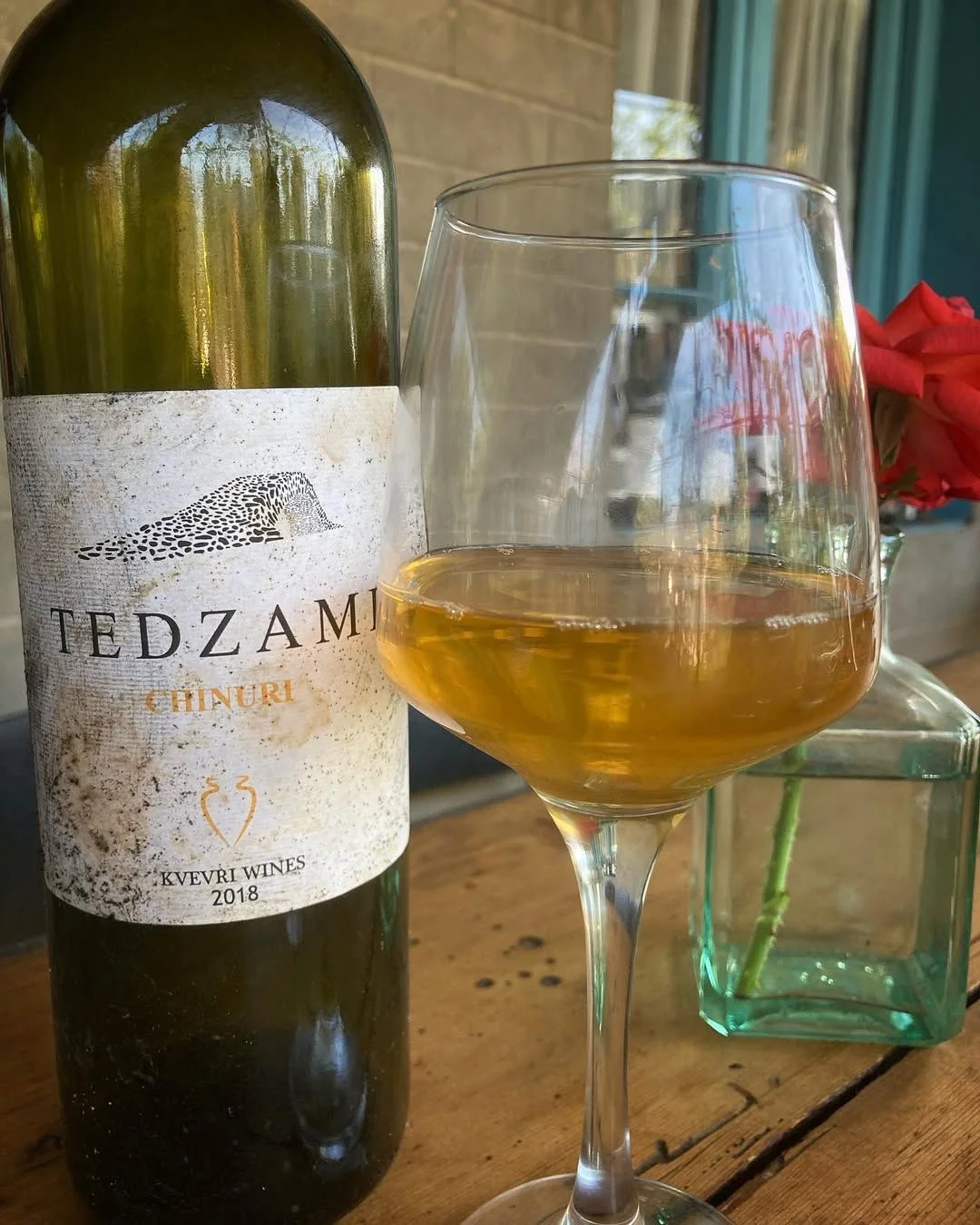
Aleko made wine from Chinuri grapes, indigenous to Shida Kartli and typically packed with notes of fresh grass, quince and pear, not that I would have known. He filled our water glasses to the brim from a five liter demijohn, made a toast and drained his glass dry. We were expected to do the same.
I matched Aleko for the first several toasts: to peace, our meeting, love for our countries and so on until I couldn’t, nor could my companions. When we failed to drain the glass, Aleko would top us off and force us to respect his toast, bottoms up, every night for two days, maybe three. It was all such a blur. I remember asking for permission to leave the table, going outside across the lane to purge myself, returning to the table looking like a glazed donut, and Aleko reaching over with the third demijohn to fill my water glass.
Call it irony or destiny or both, but I now have a little vineyard in Garikula. Fear has kept me from returning to Aleko’s but as I have learned more about wine, I’ve met some remarkable winemakers who are redefining the traditional conceptions of Kartli wine. I also have a food and wine tour company and take pride in introducing guests to the elegance of this region’s wines at the homes and cellars of some of these artisans.
Wine for the kings
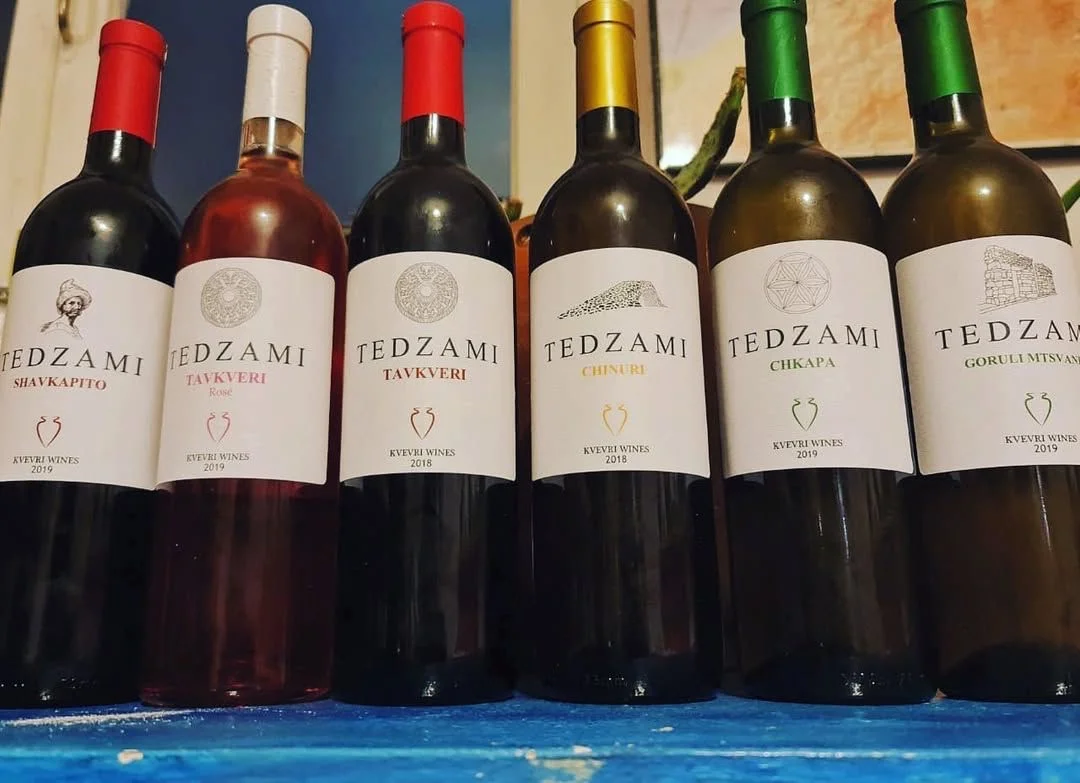
Legend has it that Kartli made “wine for the kings” but when the Bolsheviks arrived, they put every variety under the plow and cultivated only Chinuri and Goruli Mtsvane to make Sovetskoye Shampanskoye for the masses. Today winegrowers are rediscovering and cultivating nearly extinct indigenous grapes like Buza, Danakharuli and Chkapa, while Shavkapito and Tavkveri are making a strong comeback.

MW Lisa Granik describes Kartli wines as “fresh middleweight,” due to their moderate alcohol levels and light tannins. If you want fuller-bodied, more tannic wines, go east to Kakheti. If you’re in the mood for lighter, more florid wines, go west to Imereti. I see Shida Kartli as ground zero, having the best qualities of both regions and a perfect place to start an exploration of Georgian wine.
The winemakers
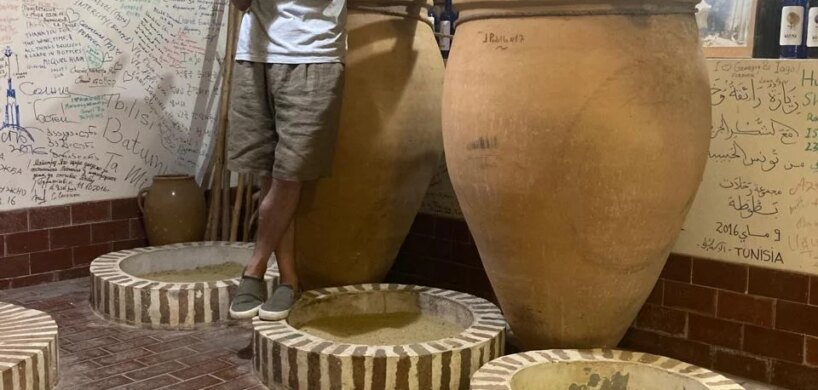
Iago Bitarishvili’s marani, or wine cellar, is in Chardakhi, off the main highway towards Gori. He got his bio certificate in 2005 and started bottling at a time the best wine you could get came in reused plastic bottles (at that time, corked and labeled wine was produced exclusively for export to Russia, unfit to drink at a Georgian table). Considered one of the godfathers of Georgia’s natural wine movement, Iago was the first to exorcise the nobility from the Chinuri grape with both full skin contact and without. Every May, Iago and his winemaking wife Marina host the Sherekilebi wine festival at their cellar. Iago’s Wines are hard to find domestically, as most all his bottles are exported. However, you can make the 30 minute drive from Tbilisi and pick up some bottles in Chardakhi.
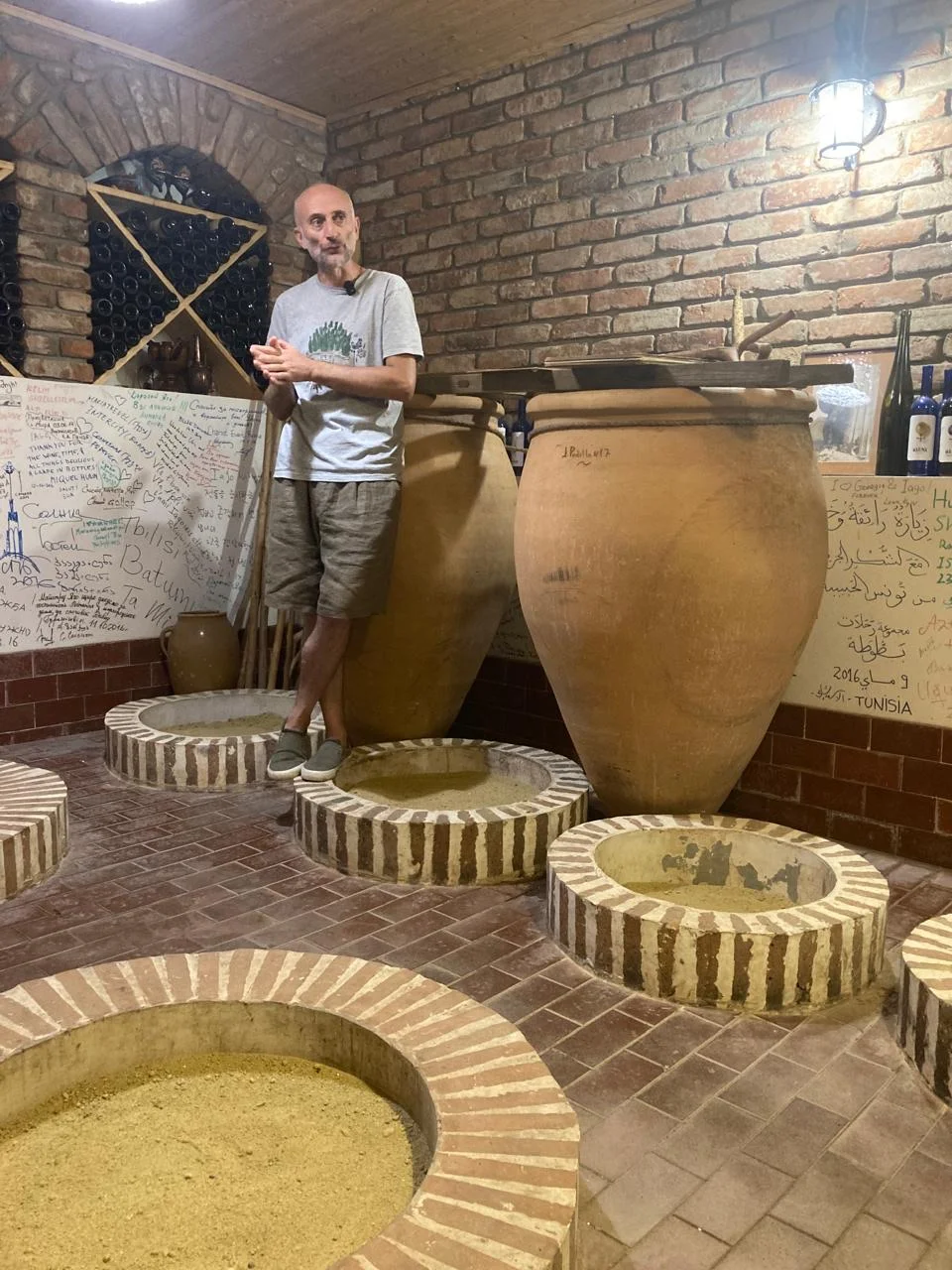
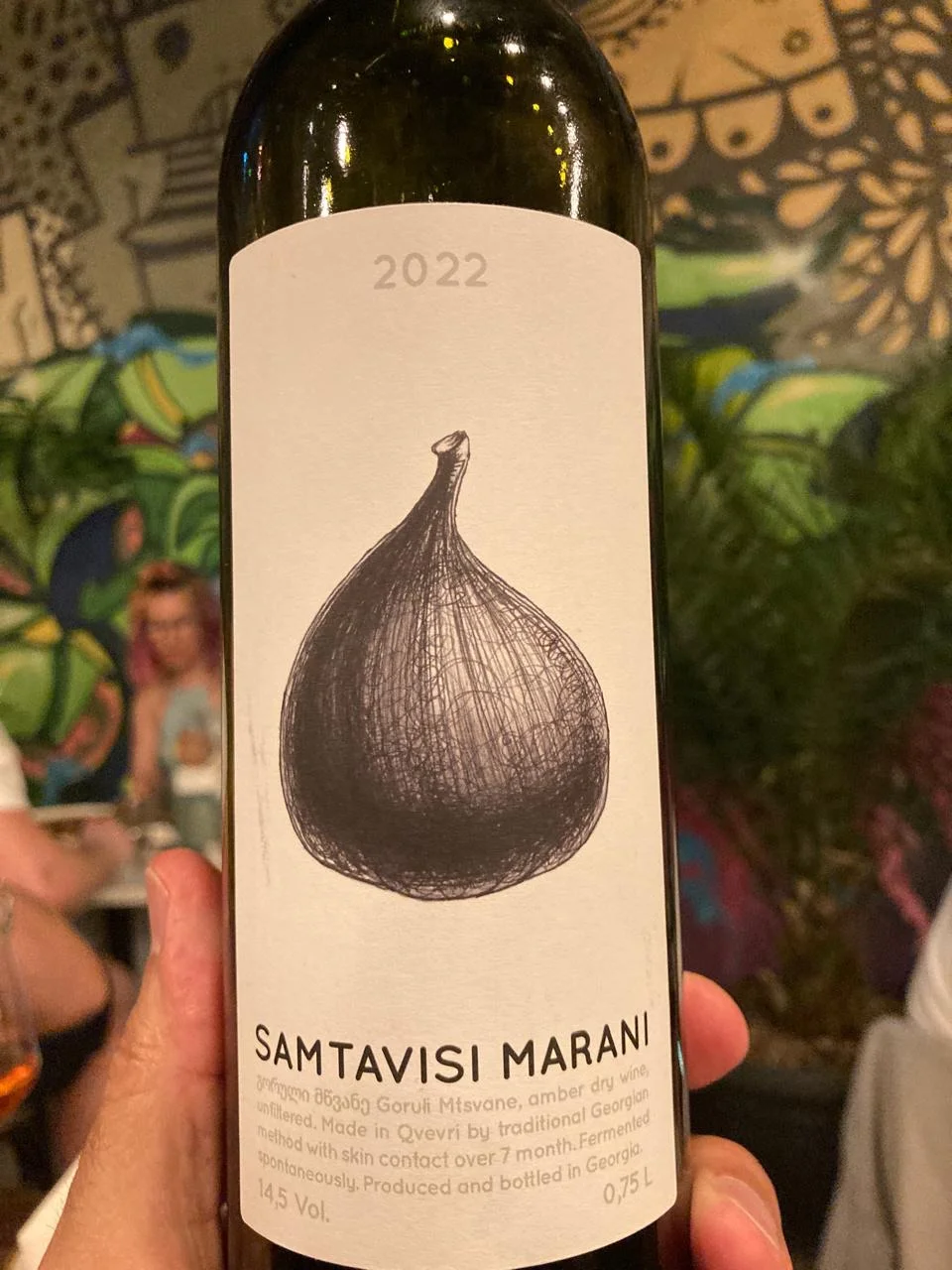
Artist and singer Mamuka Kikvadze made his first wine at Samtavisi in 2011 and has since become one of the country’s most respected winemakers. Like Iago, he started out exclusively making Chinuri with full skin contact, but now bottles Kartli’s other main varieties under his Samtavisi label, such as Goruli Mtsvane, Shavkapito, Tavkveri and the uber rare Buza, named after the flies that are attracted to the thin skinned red during harvest time.
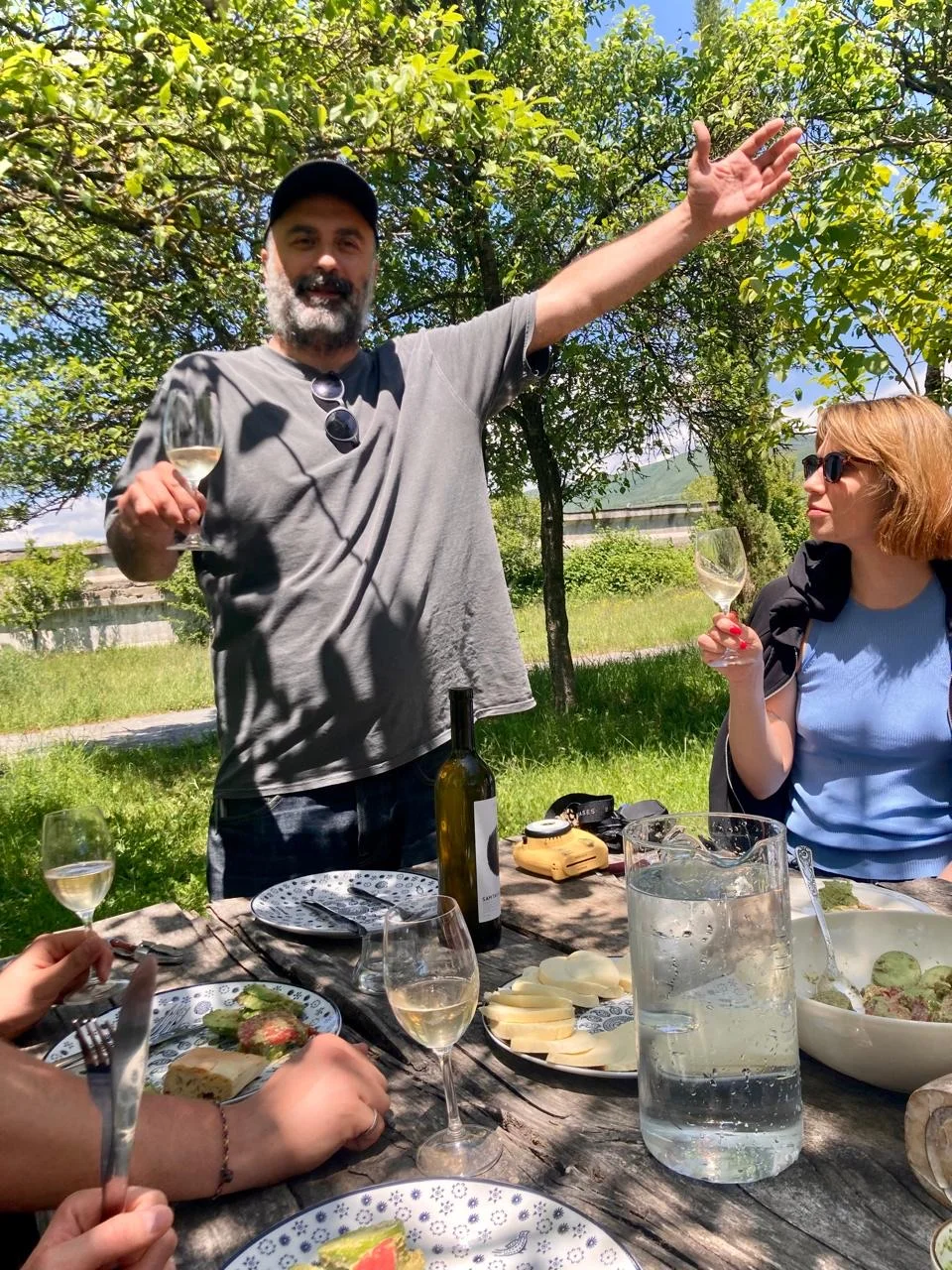
Across the highway in Igoeti is where oenologist Bastien Warskotte is taking Georgian wine to more sophisticated levels at his Ori Marani. Together with his wife Nino Gvantseladze, the Champagne native blends winemaking traditions of Georgia and France to create the most distinctive sparkling and still wines. “If my professor in Burgundy knew I was making natural wine, he would kill me,” Bastien jokes.
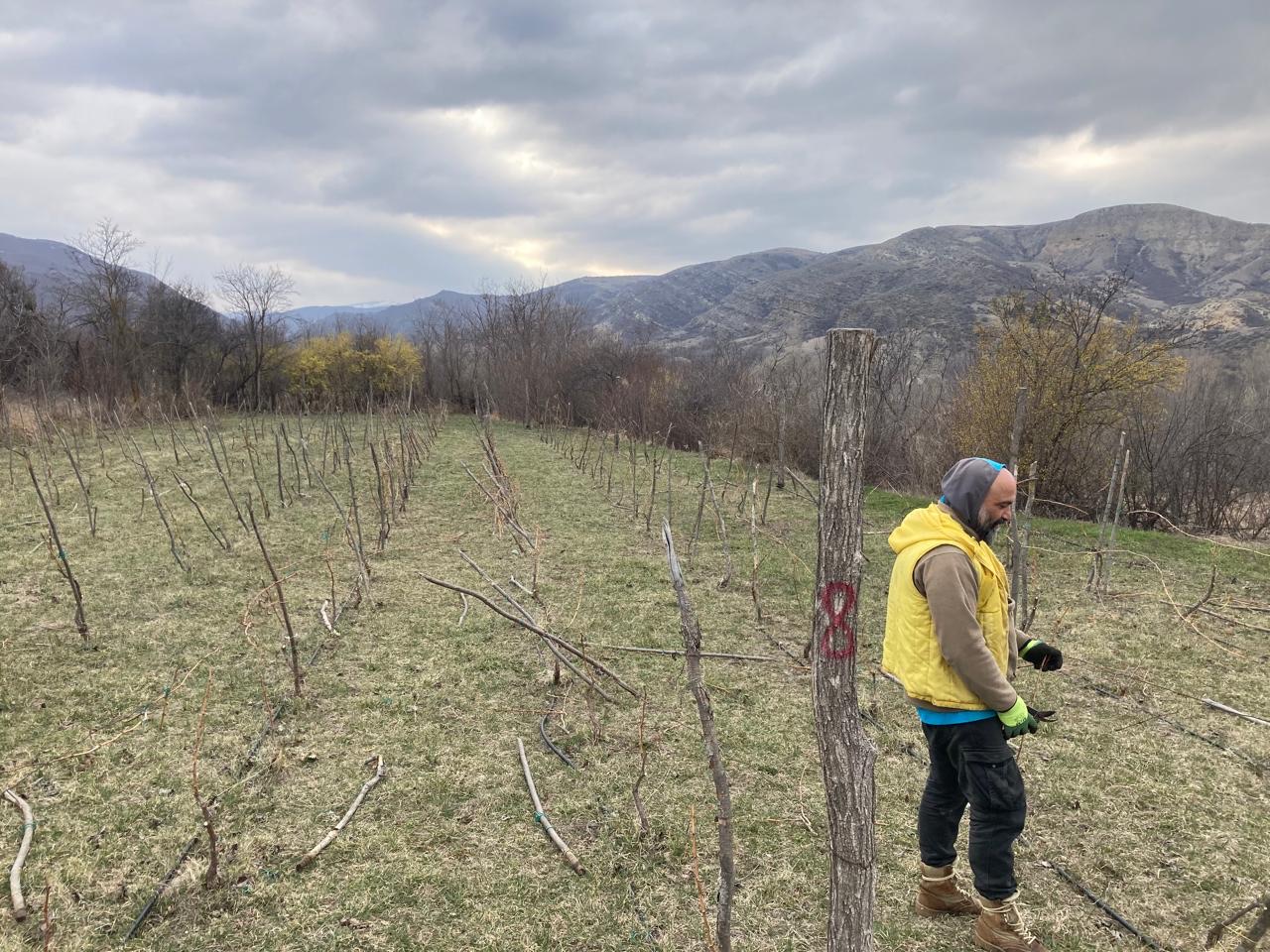
Some twenty years after my Georgian wine baptism at Aleko’s, I decided to plant a Shavkapito vineyard not far from his house, even though I knew absolutely nothing about viticulture or winemaking. My humble vineyard is thriving thanks to my guru, Gio Malatsidze of Tedzami Valley Wines. Gio spent a decade mostly in the hospitality business in Italy before returning to Garikula, his native village, and revitalizing his inherited vineyards to make outstanding wine and Pet-nats. He is also one of three winemakers I know bottling the recently rediscovered Chkapa grape, which evokes a smokey, citrusy wine.
Camile and Issei, the Drops of God protagonists, strolled through the vineyards of Nika Vacheishvili in the village of Ateni, about 10 minutes from Gori. Ateni Gorge is Kartli’s first appellation and the only one for sparkling wine (Atenuri wine is a blend of 85 percent Chinuri and 15 percent Goruli Mtsvane). Nika and his wife Diana have the coolest guest house in Kartli, tucked into a hidden canyon behind the 7th century Atenis Sioni church. His wine is as dazzling as the setting and good luck finding it outside of his wine cellar.
Near Ateni is the settlement of Tsedisi, where Andro Barnovi has his Wine Artisans marani, or art studio for wine. With the exception of Atenuri, most winemakers in Kartli make single grape wines. Andro, the former governor of Shida Kartli, ducked out of politics in 2012 and dove headfirst into the science and art of winemaking and is creating mind blowing original blends, in addition to bold, single grape varieties. His Chinuri-Muscat is velvety bliss.
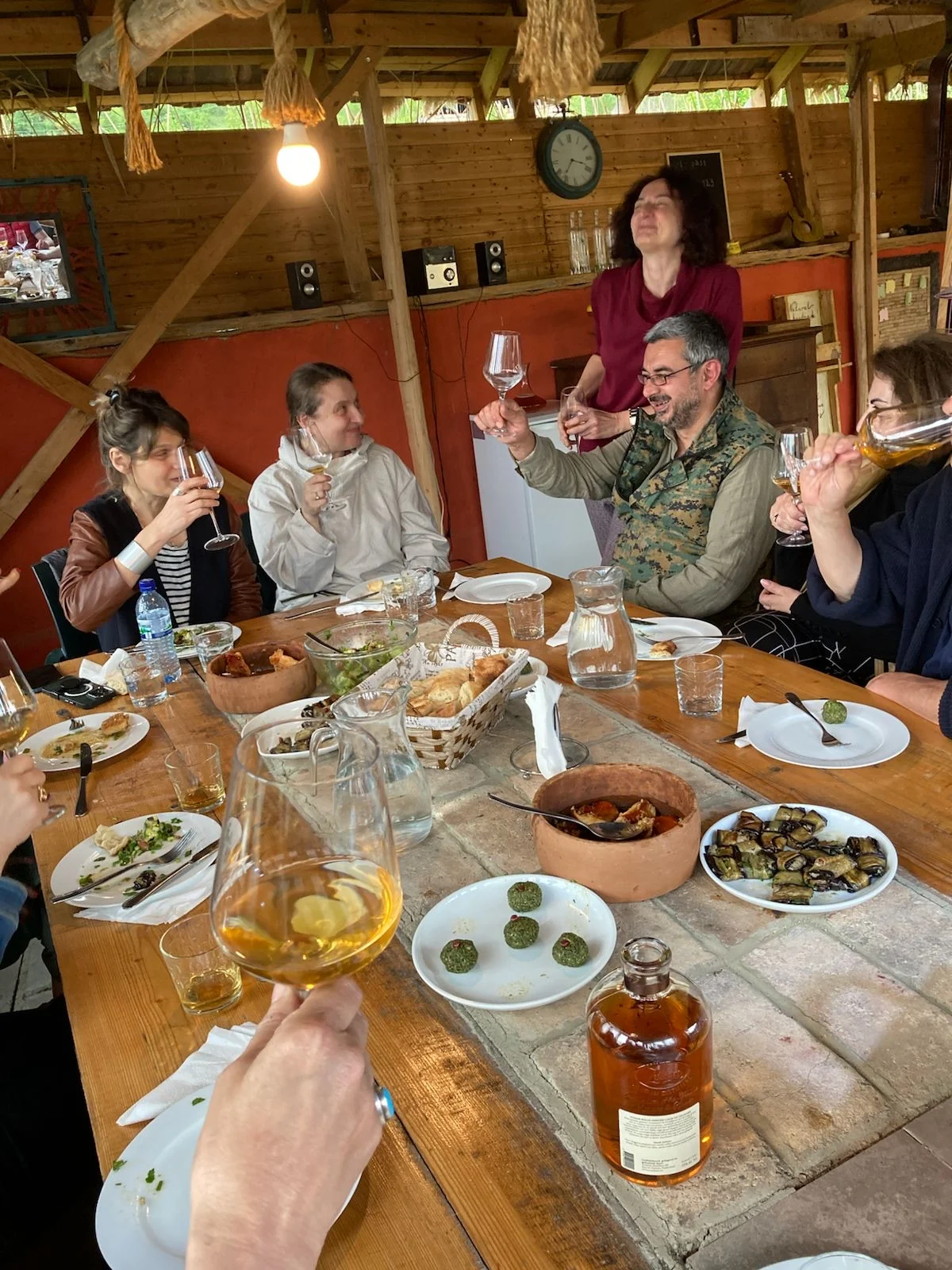
Drops of God had plenty of cringy moments, but it got a lot of things right. Georgians do drink wine from water glasses, they have an inherent spiritual reverence for it, and if you are seeking ethereal wine, you will find it in Shida Kartli.
Other noteworthy Kartli wines
The post Shida Kartli: Georgia’s Wine Region of the Kings appeared first on Honest Cooking and Travel.

