
- The U.S. Department of Justice announced a settlement with Abbott Laboratories related to its role in an outbreak of cronobacter infections from powdered infant formula in 2022. Two infants died as a result of the outbreak. Under the civil settlement, Abbott will pay $348.7 million dollars to the United States and another $36.2 million to certain states for claims settled by their Medicaid and WIC programs. This settlement does not determine liability on the part of the company. Numerous lawsuits filed by parents are still pending.
- The seed supplier for a sprout growing company involved in an outbreak of E. coli and Salmonella has agreed to conduct a recall after initially refusing to do so. The Food and Drug Administration has not revealed the name of the supplier or provided any information about the seeds. The supplier sold seeds to Everything Sprouts LLC. Products sold by the company have been linked to 55 cases of infection in 15 states. No deaths have been reported. The seed lot was also sold to other sprout growers and distributors in the U.S. and at least four other countries.
- Two papers related to a hepatitis A outbreak in Italy earlier this year revealed details about the official response and consumer awareness of risks related to the outbreak. More than 130 people in the Campania region were affected. The source of the infection may have been consumption of bivalve mollusks such as mussels. While more than 90 percent of consumers surveyed were aware of the outbreak, only 55 percent knew that infected individuals could transmit the virus before the onset of symptoms.
- A survey of small businesses across the United Kingdom found good practices relating to food safety and allergen information but low awareness of food crime. Businesses that responded to the survey expressed high levels of trust in the Food Standards Agency’s commitment to maintaining food safety and standards. However, awareness of the National Food Crime Unit was reported by fewer than one in five businesses. Nearly one in ten firms had been victims of food crime in the previous 12 months, most commonly involving stolen or substituted food products.
- A new FDA report on delis located in grocery stores found that delis with a Certified Food Protection Manager (CFPM) had better food safety management system scores than those that did not have a CFPM. The two most common risk factors affecting compliance were improper holding time and temperature, and poor personal hygiene. The report drew on a sample of randomly selected delis using data collected from 2019 through 2022.
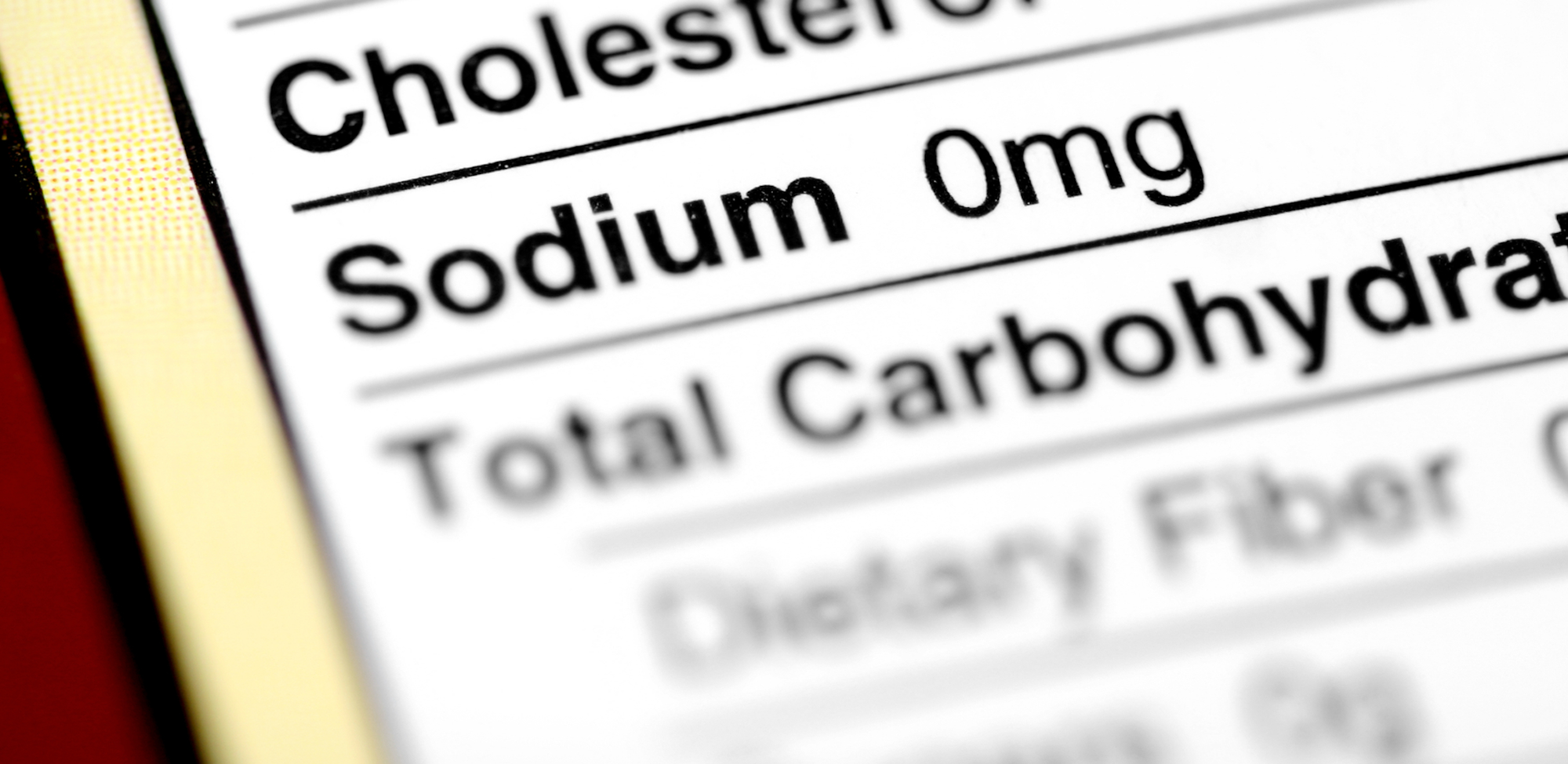
Today’s Topic: Sodium
The British stepped up their raids in Kentucky in early 1777, but frontiersman Daniel Boone left the safety of Boonesborough to boil salt at the Blue Licks along the Licking River.
At that time, obtaining salt was more important to the life of Boonesborough for Boone than defending against British operations directed at the destruction of crops and livestock in an effort to force the abandonment of the settlement.
While hunting in the Licking River area, Boone was overtaken and captured by a large party of Shawnees. The salt would have to wait for his escape when he made his way back to Boonesborough.
As far back as 6050 BC, salt, a mineral composed primarily of sodium chloride (NaCl), has been integral to human life.
The human body needs sodium, which is an essential nutrient, to survive, but consuming too much poses serious health risks. Because the human body cannot produce sodium on its own, it relies entirely on dietary intake to maintain crucial everyday functions.
Too much sodium is shown to raise blood pressure, which is a major risk factor for heart disease and stroke, and there is evidence that those conditions disproportionately impact racial and ethnic minority groups in this country.
Scientific evidence supports the public health benefits of reduced sodium intake. Reducing sodium intake could prevent hundreds of thousands of premature deaths and illnesses in the coming years.
Almost half of American adults and almost three in five non-Hispanic Black adults have high blood pressure. Additionally, about one in 10 children and one in eight teens have elevated or high blood pressure.
Studies suggest that sodium preferences are shaped by early-life consumption habits and can extend into adulthood, although palates can also adjust to lower-sodium foods.
Sodium reduction targets are being used to address excessive sodium intake in the U.S. On average, current consumption is almost 50 percent above the recommended limit.
The challenge of reducing sodium intake
Ninety percent of Americans eat more sodium than recommended. The average American’s sodium intake is approximately 3,400 milligrams per day. Historically, dietary guidelines call for individuals 14 years and older to limit their consumption to 2,300 milligrams per day.
The majority of the sodium people in the U.S. consume, more than 70 percent, comes from processed, packaged, and prepared foods, not from table salt added to food when cooking or eating at home. This makes it very difficult to control how much sodium we consume.
Lowering sodium in the food supply supports more food choices for consumers seeking a diverse diet consistent with the Dietary Guidelines for Americans.
Some companies have reduced sodium in certain foods, but many foods continue to contribute to high sodium intake, especially processed, packaged, and prepared foods. Food eaten away from home is also a contributing factor.
Companies add sodium to processed, packaged, and prepared foods for many reasons. For example, it helps control microbial growth, which can cause food to spoil and lead to foodborne illness. While sodium is necessary for many reasons, today’s food supply contains too much sodium.
Americans eat about one-third of their food calories and spend more than half of their food dollars outside the home, so it’s important that restaurants are part of the solution, along with the rest of the food industry. Including restaurant foods and food service is necessary to achieve sodium reduction goals and help people’s taste buds adapt, whether they are eating at home or outside the home.
The FDA’s approach
To help reduce sodium across the food supply, the FDA is taking an iterative, stepwise approach that includes establishing voluntary sodium targets for industry, monitoring and evaluating progress, and engaging with stakeholders.
The FDA supports gradual progress to allow time for product reformulation and for consumer tastes to adjust. We know that people usually don’t notice small reductions (about 10 percent) in sodium. And, over time, people’s taste buds get used to these gradual changes.
A key part of the FDA’s sodium reduction plan is monitoring progress to understand changes as they occur. The U.S. Department of Agriculture and the Centers for Disease Control and Prevention collaborate on these monitoring efforts. The FDA also actively engages with food manufacturers to learn about their sodium reduction efforts.
The FDA reached a milestone with Phase I of its voluntary sodium reduction targets and is issuing draft guidance for Phase II.
The new voluntary targets aim to reduce average individual sodium intake to about 2,750 milligrams per day. This reduction is about 20 percent lower than consumer intake levels before 2021.
The Phase II voluntary sodium reduction targets follow the initial set of targets issued in October 2021. The initial set of targets encouraged the food industry to reduce sodium levels in a wide variety of processed, packaged, and prepared foods.
“Reducing sodium in the food supply has the potential to be one of the most important public health initiatives in a generation. The early successes we’re seeing with sodium level reduction in certain foods are encouraging and indicative of the impact we believe our overall nutrition approach can have on the wellbeing of society,” said then-FDA Deputy Commissioner for Human Foods Jim Jones.
The FDA’s sodium reduction and other nutrition initiatives are part of a broader, whole-of-government approach to help reduce the burden of diet-related chronic diseases and advance health equity, Jones added.

The Phase II targets continue to focus on commercially processed, packaged, and prepared foods in the marketplace.
The guidance is particularly relevant as more than 70 percent of sodium intake in the U.S. population comes from sodium added during food manufacturing and commercial food preparation.
The FDA expects to issue regular evaluations of sodium levels in foods about every three years to support its science-driven, transparent, and stepwise process. Future phases of sodium reduction targets will be considered as part of the agency’s evaluation and monitoring of sodium reduction progress in the marketplace, as well as monitoring of sodium intake in the population.
The Pros: Why your body needs sodium
The human body only needs about 500 mg of sodium daily to function. When consumed in moderation, sodium plays several vital roles:
- Regulates fluid balance: Sodium works with potassium to maintain proper blood and cellular fluid volume, keeping you properly hydrated.
- Supports nerve function: Sodium is crucial for generating the electrical impulses that allow your brain and nerves to communicate with the rest of your body.
- Enables muscle contraction: Your muscles, including your heart, rely on sodium to contract and relax properly.
- Prevents low blood pressure: Adequate sodium levels prevent hypotension (dangerously low blood pressure), which can trigger dizziness, fainting and extreme fatigue.
- Food preservation and function: In cooking, salt acts as a natural preservative by halting bacterial growth and serves as a vital binder and texture stabilizer.
The Cons: The risks of high consumption
- According to organizations like the CDC and the American Heart Association, nine out of 10 Americans eat too much sodium, averaging around 3,400 mg per day. Chronic overconsumption leads to major health complications:
- High blood pressure (hypertension): Excess sodium causes your body to retain extra water. This increases your total blood volume, placing intense pressure on your blood vessels and forcing your heart to work much harder.
- Heart disease and stroke: The stiffening and strain placed on your arteries from high blood pressure directly elevates your risk for devastating cardiovascular events like heart attacks, heart failure and strokes.
- Kidney damage: Your kidneys must work overtime to filter out excess sodium. Over time, this constant stress diminishes kidney function and increases the risk of chronic kidney disease.
- Bone loss (osteoporosis): High levels of sodium cause your body to excrete more calcium through your urine. To compensate, your body may pull calcium directly from your bones, weakening them over time.
- Bloating and water retention: In the short term, eating highly salted foods causes rapid fluid retention, leading to uncomfortable swelling and puffiness.
Our Take
A friend whose cardiologist sent her to a class on managing sodium consumption when it was too high was then told at her next appointment that a low blood pressure reading was likely a sign that her sodium intake was too low.
It shows that even someone educated on the subject and watching their sodium intake can find it difficult to stay in the sweet spot.
Individuals who want to reduce their sodium intake soon learn that more than 70 percent of the sodium Americans eat comes from prepared, packaged, and restaurant foods. So, it’s very hard to control how much sodium you consume.
People who successfully reduce their sodium intake usually avoid as many processed foods and restaurant meals as they can.
By the numbers
3,400 – The amount, in milligrams/day, of average sodium intake per person in the U.S.
1,500 – The amount, in milligrams/day, of sodium intake that is the ideal health target, especially for those with high blood pressure. 2,300 mg/day or less is considered healthy for adults, which is about 1 teaspoon of table salt.
2,750 – The amount, in milligrams/day, that is the Healthy People 2030 goal for reducing average sodium intake in the U.S.
1,200 – The amount, in milligrams/day, of recommended maximum sodium intake for children aged one to three years. For children aged nine to 13 years, the recommended maximum level is 1,800 mg/day and for children aged four to eight years, it is 1,500 mg/day.
5 – The amount of sodium, in milligrams, that is the maximum allowed on a per serving basis in order for a product to contain a salt- or sodium-free claim. A product labeled as “very low sodium” must contain 35 mg or less per serving, while a “low sodium” product must contain no more than 140 mg per serving.
50 – The percentage reduction in sodium required for a regular product to be packaged as “light in sodium” or “lightly salted.” If it contains 25 percent less sodium than a regular product, it can be labeled “reduced sodium.” “No salt added” or “unsalted” means no salt is added during processing, but these products may not be salt or sodium-free unless specifically labeled as such.
What it means
Since Aug. 15, 2024, the FDA has been working on its second round of sodium reduction targets for 163 food categories that, if achieved, would reduce average sodium intake to about 2,750 milligrams/day.
That process is working, albeit slowly.
In the meantime, anyone with high blood pressure or other conditions can reduce their sodium intake to a healthier level on their own.
Reduce your sodium intake by:
- Asking for a low-sodium option at restaurants.
- Avoiding condiments such as ketchup, salad dressings and soy sauce.
- Buying canned, fresh or frozen vegetables without added salt or sauce.
- Choosing fresh meat instead of cured or processed meats.
- Counting the milligrams of sodium in your food.
- Limiting “instant” products such as ready-made pasta.
- Using salt-free seasonings.
Do you have any comments, questions or suggestions for future coverage? Click here to give us your feedback.

